

Professional steam or hot-water extraction lifts deeply embedded dirt, cuts allergen load, and clears many odors, which is why the Carpet and Rug Institute recommends a deep clean every 12 to 18 months. A peer-reviewed study backs the allergen side. Two caveats matter: the carpet has to dry fast, and heat should never touch pet urine. We clean carpets in Wichita, and those two rules guide every job.
TL;DR:
- Vacuuming before treatment removes around 90% to 95% of dry soil; adequate dwell time and extraction lift what remains, though old stains may only improve.
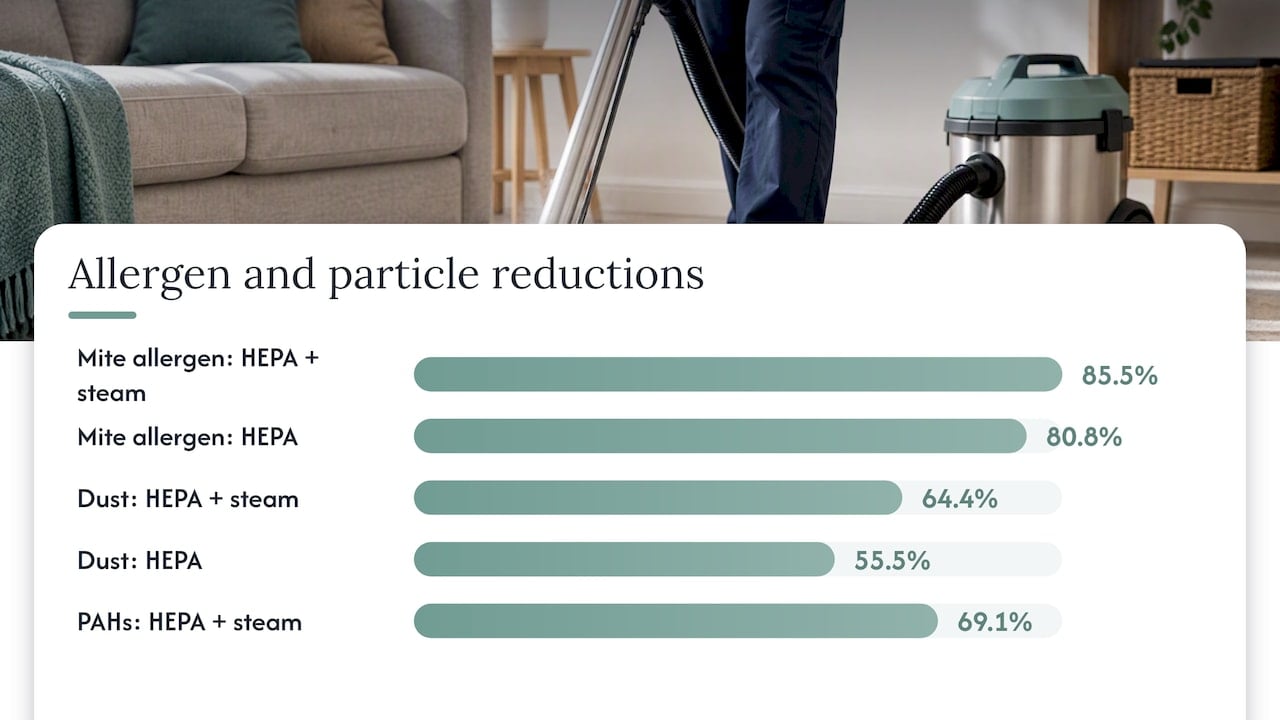
- A study with peer review found that HEPA vacuuming plus dry steam reduced dust mite allergens by 85.5%, compared with 80.8% for HEPA vacuuming alone.
- Areas with heavy foot traffic may need quarterly or semiannual deep cleaning, and homes with allergy sufferers may also need more frequent service.
- Carpet should dry within 12 hours; persistent musty odors or damp backing signal a problem, while fans, dehumidifiers, and airflow help speed drying.
- For pet urine, cleaners should avoid heat and use enzymatic treatment to break down odor sources; deep accidents may need repeat treatment.
Table of Contents
- How does steam cleaning pull out soil and stains?
- Does steam cleaning reduce allergens and improve air quality?
- What can steam do about odors?
- Will steam cleaning shorten carpet life or void a warranty?
- How fast should carpet dry, and when does mold become a worry?
- Should you hire a pro or do it yourself?
- Why we plan for routine deep cleaning
- A steady carpet care plan, right here in Wichita
- FAQ
- Sources
How does steam cleaning pull out soil and stains?
When people say “steam cleaning,” they usually mean hot-water extraction, where a pro machine injects hot water and cleaning solution into the pile and pulls it right back out. Some crews also use dry steam, a low-moisture vapor that loosens grime without soaking the carpet. Either way, the machine is only half the story. The process is what matters.
Here is what a proper job looks like:
- Pre-vacuum first. The Carpet and Rug Institute notes that pre-vacuuming removes around 90–95% of dry soil, so the wet step handles what’s left instead of turning dust into mud.
- Pre-condition and wait. The solution needs enough dwell time to help break the bond between soil and fiber.
- Extract thoroughly. Strong suction pulls out the loosened soil and the water carrying it.
- Spot treat what’s left. Some set-in stains need targeted chemistry, not more heat.
Set your expectations honestly. Most everyday soil lifts. Old dye transfer, deep-set spills and sun-faded patches may only improve. A good cleaner tells you that before the work starts, not after.
Does steam cleaning reduce allergens and improve air quality?
Carpet is a reservoir. The EPA explains that carpet can act as a sink for dust, pollen and pet dander, and that poor maintenance lets particles resuspend into the air, which matters most for people with allergies or asthma. A CDC/NIOSH review reaches a similar view, describing carpets as reservoirs for contaminants.
The numbers from the lab are encouraging:
A peer-reviewed study found that HEPA vacuuming plus dry steam cut house dust mite allergens by 85.5%, versus 80.8% for HEPA vacuuming alone. Dust dropped 64.4% versus 55.5%, and PAHs dropped 69.1% versus 58.6%. Steam added a modest but real edge.
Separate laboratory work found that steam-vapor treatment reduced dust mite populations more than other nondestructive methods tested and denatured dust mite allergen.
Be realistic about what that means:
- Cleaning lowers the load. It doesn’t remove the sources, so dust and dander keep coming back.
- Regular vacuuming and HVAC filter changes still do the daily work. Our vacuuming schedule shows how often to run the vacuum, room by room.
- Allergy-prone homes and busy workplaces should clean more often than the baseline. The CRI notes that high-traffic areas may need quarterly or semi-annual deep cleaning, and our guide to carpet cleaning for allergies covers what actually cuts symptoms.
What can steam do about odors?
Most carpet smells come from organic residue trapped in the pile: spilled drinks, tracked-in mud, body oils, pet dander. Hot-water extraction pulls that material out, and the smell goes with it. That’s why a freshly cleaned room smells like nothing at all, which is exactly the goal.
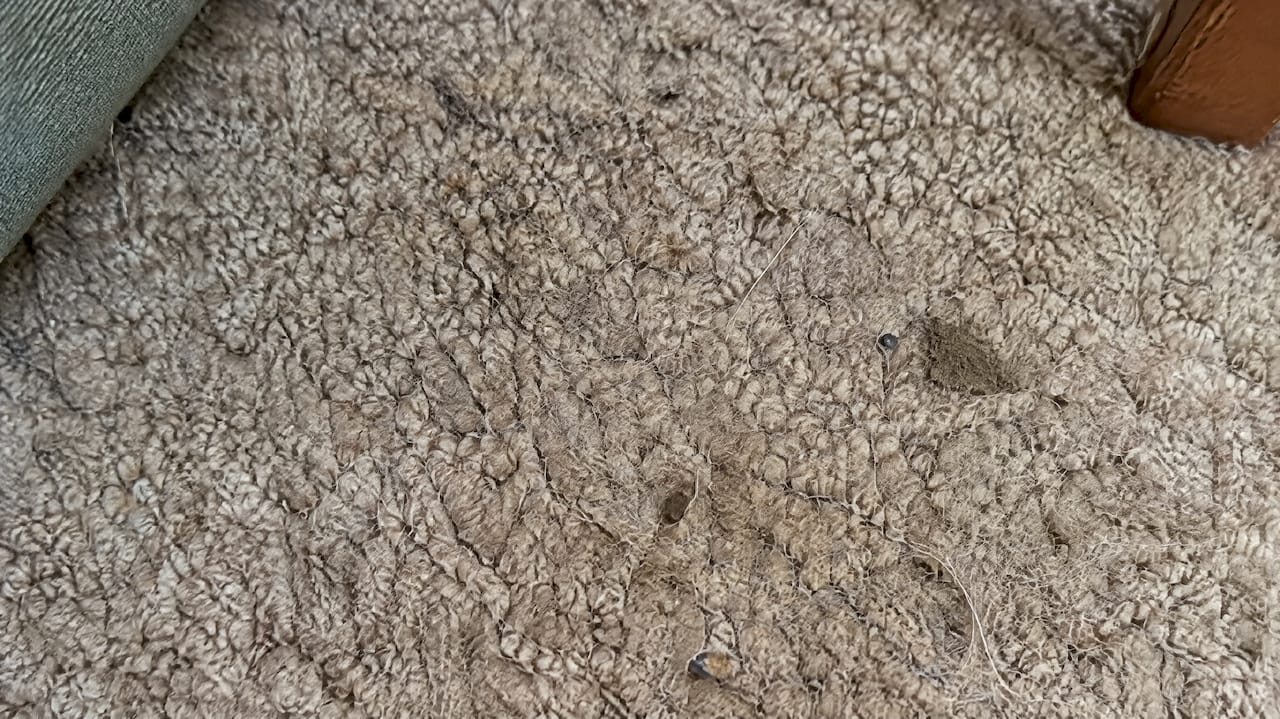
Pet urine is the exception. Heat can set the stain and intensify the odor, so the CRI advises against steam cleaning on pet urine spots and recommends enzymatic treatments for permanent odor removal. Enzymes break down the source instead of covering it.
After a cleaning, a few habits help the odor fade for good:
- Open windows or run fans to move air through the room.
- Point out any urine spots before the crew starts, so they can treat them first.
- Ask for a follow-up spot treatment if a smell lingers after the carpet is fully dry.
Expect repeat or specialized treatment for deep-set pet accidents and dye transfer. One pass may not finish the job, and that’s normal.
Will steam cleaning shorten carpet life or void a warranty?
Done right, it does the opposite. Embedded grit acts like sandpaper on fibers every time someone walks across the room. The CRI recommends professional deep cleaning every 12 to 18 months, more often in high-traffic areas, to remove that grit, keep the carpet looking right and protect warranties. Our 12–18 month carpet care plan lays out that rhythm, and our guide to high-traffic area cleaning covers the busier spots.
The damage comes from bad technique: skipping the pre-vacuum, using harsh products that leave sticky residue (which attracts new dirt), or overwetting the backing.
Before you book anyone, ask:
- What equipment do you use, and is it truck-mounted or portable?
- Do you pre-vacuum every job?
- Are your solutions CRI-approved?
- Do you hold a CRI Seal of Approval?
Keep your carpet manufacturer’s care instructions on hand too, since warranty terms vary by brand.
How fast should carpet dry, and when does mold become a worry?
The CRI’s care guide sets the performance goal: carpet should be dry within 12 hours. Wet carpet that lingers can become a breeding ground for mold. The CDC/NIOSH review calls limiting moisture central to avoiding microbial growth, and public-health guidance after water intrusion emphasizes drying materials promptly. If you ever deal with flooding, this partner guide covers mold under carpet.
Watch for these red flags and act right away:
- A damp or musty smell that persists after cleaning.
- A wet backing when you lift a corner at a seam or edge.
- Visible staining or discoloration showing up after cleaning.
- Padding that still feels cool and damp.
Pros speed things up with air movers, dehumidifiers and HVAC airflow. Run your fan and keep windows cracked, too.
Pro Tip: Ask for a drying plan when you book, and request a quick follow-up check after cleaning.
Should you hire a pro or do it yourself?
Hire a pro when any of these apply: heavy foot traffic, allergy or asthma concerns, set-in stains or odors, a need for controlled drying, or a warranty you want to keep intact. Pros bring proper pre-vacuuming, approved products, stronger extraction and active drying. Our guide to hiring a pro or doing it right yourself walks through the tradeoffs.
Questions worth asking any cleaner:
- Do you follow CRI recommendations?
- What’s your drying-time plan?
- Do you use enzymatic treatments for pet urine?
- Are your solutions CRI-approved?
DIY is fine for small, fresh spills and interim upkeep between professional visits. Blot, don’t scrub. Then schedule the real deep clean on the CRI interval instead of stacking up rental-machine rounds.
Why we plan for routine deep cleaning
I’ll say it plainly: the carpets that look best in this town aren’t the ones that got a heroic rescue after a disaster. They’re the ones cleaned on a steady rhythm, with the pre-vacuum, the right chemistry and a drying plan every single time. Ad hoc spot treatments feel cheaper, but grit keeps grinding underneath. Put the CRI interval on your calendar and treat it like an oil change.
— chris
A steady carpet care plan, right here in Wichita
Our team cleans homes and businesses in Wichita with deep hot-water extraction, careful drying and no sticky residue left behind. We pre-vacuum, treat pet spots the right way and stand behind the work with a satisfaction guarantee.
If you’d rather not track your own calendar, our Simple Club membership handles it: the Standard Membership is $20 per month and the Premium Membership is $40 per month, both on the Simple Club page. We can also take care of upholstery, air ducts, mattresses, tile and area rugs. Ready to get your floors on a schedule? Book our carpet cleaning service or call or text us.
FAQ
How often should a person get their carpet cleaned?
The Carpet and Rug Institute recommends professional deep cleaning every 12 to 18 months. Busy areas, pets and allergy-prone households may need more frequent service.
Do steam cleaners really work on carpet?
Yes, when the process is right. Pre-vacuuming, proper dwell time and strong extraction lift most everyday soil. Lab work found that steam can kill dust mites and denature their allergen. Pet urine is the exception, where enzymes beat heat.
What are the benefits of using a steam cleaner?
You get deeper soil removal, lower allergen loading, fresher-smelling carpet and a better-looking floor. Regular cleaning also protects fibers from abrasive grit. Steam cleaning won’t replace weekly vacuuming, but it does what vacuuming can’t.
Is it worth getting your carpet cleaned professionally?
It usually is if you have traffic, pets, allergies or a warranty to protect. Pros control drying, use approved products and extract more than a rental machine. Our guide to deep carpet cleaning breaks down when each route makes sense.
Sources
- Evaluation of HEPA vacuum cleaning and dry steam cleaning in reducing levels of polycyclic aromatic hydrocarbons and house dust mite allergens in carpets
- Inactivation of dust mites, dust mite allergen, and mold from carpet
- Ten questions concerning the implications of carpet on indoor chemistry and microbiology.