

The first move after construction wraps is repeated HEPA vacuuming, not wet cleaning. Run multiple passes with a beater bar before any steam or extraction touches the carpet, following EPA lead-safe guidance and CRI maintenance standards. If dust is embedded, your home was built before 1978, or you’re facing a large job on a tight deadline, call a pro instead of going it alone.
TL;DR:
- For carpets, make multiple slow passes with a HEPA vacuum and beater bar before applying pretreatment and extracting remaining soil with hot water.
- Homes built before 1978 require EPA RRP containment, HEPA vacuuming, and a wet wipe comparison against a verification card; failed checks require recleaning and retesting.
- Shag or heavily contaminated carpet may resist decontamination; embedded dust, large areas, lead concerns, or documented proof needs are reasons to hire a professional.
- Seal ducts and register openings during dusty work, keep HVAC off during sanding or demolition, then inspect filters and visible openings before occupancy.
- National after construction cleaning costs average $274 to $707, with labor and debris disposal driving prices; stain treatment, furniture moving, and specialty jobs cost more.
Table of Contents
- Inspect, Contain, and Protect Before You Clean
- The Cleaning Order That Actually Works
- Lead Risks and Carpets That Won’t Fully Clean Up
- What to Do With HVAC and Vents During the Job
- When to Call a Pro and What It Costs
- A Quick Checklist Before You Hand Off the Space
- Where Post-Construction Cleaning Usually Goes Wrong
- How We Handle Post-Construction Carpet Cleaning
- FAQ
- Sources
Inspect, Contain, and Protect Before You Clean
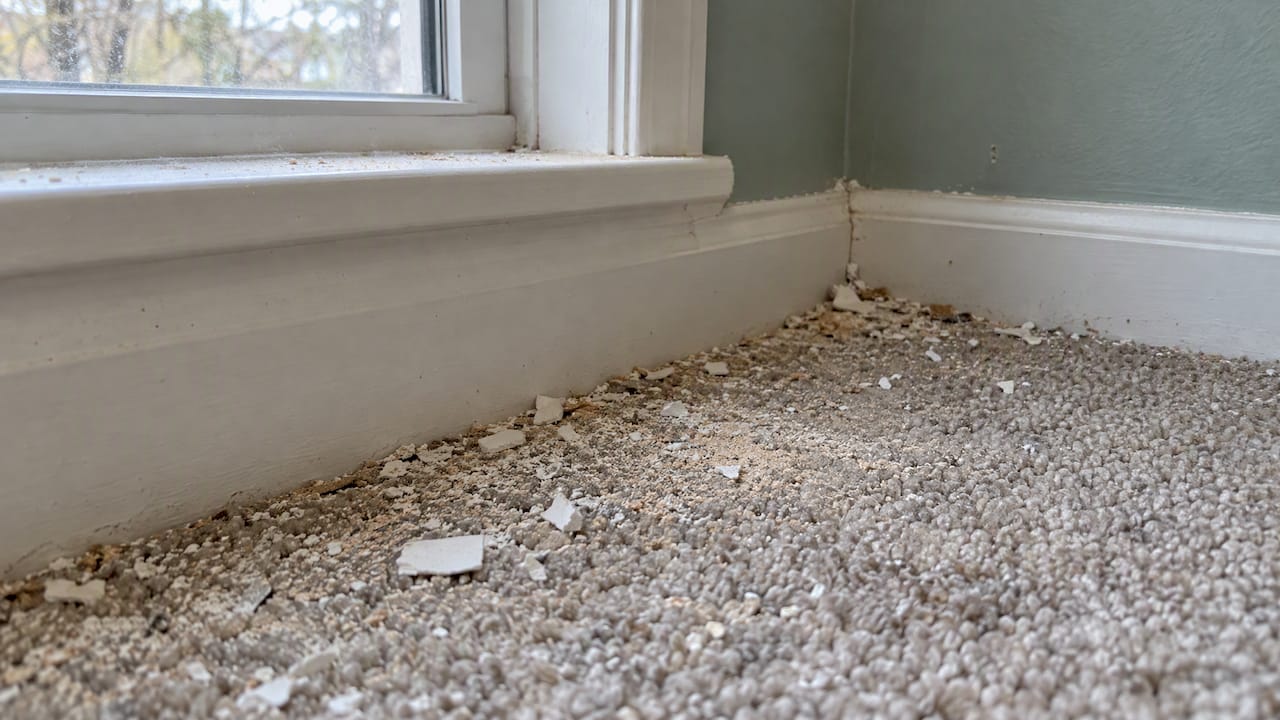
Before a vacuum or extractor ever touches the carpet, walk the space. Look for drywall dust, paint chips, sawdust, and leftover debris in corners, along baseboards, and under windows where trades tend to leave the most mess behind.
Check your installation paperwork too. Some adhesives and new carpet installations need a wait period before deep cleaning per CRI installation standards, and cleaning too soon can mess with how the carpet sets.
If other trades are still finishing up nearby, contain the cleaned area. Move furniture out or cover it with taped sheeting, and seal any open duct or register boots so dust doesn’t blow back in the minute you finish.
One more screening step matters more than people think: check the home’s age. If it was built before 1978, treat the job as a potential lead job until proven otherwise.
- Walk the room and flag visible dust, paint chips, and construction debris.
- Confirm wait times for adhesives or fresh carpet installs before deep cleaning.
- Seal off ducts, vents, and doorways to keep dust from migrating back in.
- Screen for pre-1978 construction and follow EPA RRP containment steps if it applies.
Pro Tip: Snap photos of every trouble spot before you start. They make a world of difference if you end up calling in a professional for a quote.
The Cleaning Order That Actually Works
Construction dust is not regular dirt. It’s fine, it’s abrasive, and it loves to hide deep in carpet fibers where a quick vacuum pass never reaches. The order you clean in determines whether that dust comes out or gets pushed deeper.
- Vacuum first, and vacuum again. Run a HEPA vacuum with a beater bar across the entire area, multiple passes, slow and deliberate. CRI’s maintenance framework treats vacuuming as the foundation of any cleaning program because it pulls out the bulk of dry soil before anything wet touches the fiber.
- Hold off on wet cleaning until dry soil is handled. Wetting a carpet before removing dry dust can make the residue harder to clean up. Remove as much dry soil as possible before wet cleaning.
- Apply a pre-spray to suspend remaining soil. CRI-approved pre-treatments loosen what the vacuum couldn’t grab, giving the extraction step something it can actually pull out instead of just rearrange.
- Agitate where needed, then extract with hot water. Multiple passes of hot water extraction, finished with dry strokes, lift the suspended soil and pull excess moisture back out of the carpet.
- Groom the pile and get air moving. A quick grooming pass stands the fibers back up, and fans or HVAC assistance speed up drying so the carpet isn’t sitting damp any longer than it has to.
The order matters because skipping ahead costs you later. Wet a dusty carpet before vacuuming and you’re not cleaning anymore, you’re trying to rinse out sludge that’s already worked into the backing.
Drying deserves its own attention too. Ventilate the room instead of sealing it up, and never drop plastic sheeting directly over a damp carpet. Plastic sheeting can trap moisture against the carpet, so avoid placing it directly over damp carpet.
Pro Tip: If a room still smells like fresh drywall after vacuuming, that’s your sign the dust isn’t gone yet. Run another pass before you move to wet cleaning.
Lead Risks and Carpets That Won’t Fully Clean Up
Not every post-construction carpet responds to a standard cleaning sequence, and a few situations call for a different plan entirely.
Homes built before 1978 fall under EPA RRP rules, which require containment, HEPA vacuums, and a wet-wipe comparison against a cleaning verification card before anyone calls the job done. If the cloth isn’t cleaner than the card, the section gets re-cleaned and re-checked, and some projects require independent dust-lead testing on top of that.
Shag carpet and any carpet with a long history of contamination are genuinely harder to decontaminate. Vacuum collection can be less effective on deep-pile carpet. EPA’s assessment notes that wet methods alone may not remove embedded lead effectively. In those cases, replacement may be the more realistic answer.
- Pre-1978 homes need RRP containment, HEPA vacuuming, and documented wet-wipe verification.
- Shag or heavily contaminated carpet may need replacement instead of repeated cleaning attempts.
- Respect adhesive wait periods, and skip non-breathable plastic sheeting, which traps moisture against new carpet.
What to Do With HVAC and Vents During the Job
Dust doesn’t just settle on the floor. It gets pulled straight into your ductwork the moment the HVAC system kicks on, and from there it recirculates through every room long after the trades have packed up.
Seal register boots and duct openings before work starts, using commercial covers or plastic secured with painter’s tape, a practice EPA’s Indoor airPLUS guidance outlines for exactly this reason. Keep the system off during anything dusty, like sanding or demo.
Once the dusty work is done, don’t just assume the air is clean.
- Replace or inspect filters before anyone moves back in full-time.
- Vacuum register covers and visible duct openings as a final step.
- Schedule a duct inspection or cleaning if dust clearly made it past the seals during the project.
When to Call a Pro and What It Costs
DIY works fine for light dust and small rooms. It stops working once dust is ground into the pile, the home has lead-risk indicators, the square footage is large, or you need documented proof of cleaning for a handoff or inspection.
National averages put post-construction cleaning projects between $274 and $707 depending on scope, with labor and debris disposal as the biggest swing factors. Add-ons like stain treatment or furniture moving push costs higher, and larger or specialty jobs run above that range.
Before you hire anyone, ask a few direct questions:
- Do you vacuum thoroughly before any wet extraction?
- Are your solutions and equipment CRI-approved?
- What’s the expected drying time for this job?
- Can you provide a written estimate and documented cleaning verification?
A Quick Checklist Before You Hand Off the Space
Use this the day the last trade walks out, before anyone moves back in.
- Do a visual sweep for paint chips and visible dust, and photograph anything questionable for future bids.
- Run a full HEPA vacuum pass, then do a wet-wipe comparison on a few representative surfaces per EPA verification steps.
- Replace HVAC filters, schedule deep extraction if dust is still visible, and request written cleaning verification when the job calls for it.
Where Post-Construction Cleaning Usually Goes Wrong
A common mistake is wetting a carpet before the dry dust is fully out. It feels productive, but it just buries the problem deeper into the backing. A close second is skipping the HVAC check entirely, so the room looks clean while the ductwork keeps feeding dust back into the air for weeks.
Good crews vacuum first, follow CRI-aware extraction methods, give you a clear estimate up front, and check back on drying instead of disappearing after the last pass. A layered dust-control plan during the renovation itself, not just after, makes the cleanup faster and more complete. For ongoing upkeep once the project’s behind you, a maintenance membership like our Simple Club keeps dust from building back up between deep cleans.
— chris
How We Handle Post-Construction Carpet Cleaning
We run deep steam extraction built around the vacuum-first workflow this guide walks through, and we pair it with air duct cleaning and upholstery cleaning when a renovation touched more than just the floors.
Before you request a quote, have your square footage, a few photos of the worst spots, the type of debris involved, and any pre-1978 lead-risk flags ready. That gets you an accurate number fast.
For ongoing care after the project wraps, our Simple Club page lists current membership prices, and membership helps keep dust and everyday grime from piling back up. Ready for a straight answer on your space? Request your carpet cleaning estimate and we’ll take it from there.
- Deep steam extraction for post-construction carpets.
- Air duct cleaning to clear dust that made it into the system.
- Simple Club membership for recurring maintenance after the project ends.
FAQ
Is It Cheaper to Clean Your Own Carpet After Construction?
Renting equipment costs less up front, but light dry dust is really the only scenario where DIY makes sense. Once dust is embedded or a lead-risk home is involved, a professional job with proper HEPA equipment and verification usually saves money by avoiding redone work.
How Do You Clean Walls Post Construction?
Start by dry-dusting walls from top to bottom to remove loose debris before any wet wiping, following the same highest-to-lowest cleaning order EPA recommends for post-renovation spaces. A damp microfiber cloth handles most residue, but test an inconspicuous spot first if the paint is new.
What Is the Best Way to Clean Carpets at Home After Renovation?
Vacuum thoroughly with a HEPA machine and a beater bar before anything else touches the carpet, since that step removes the bulk of dry construction dust. Follow with a pre-spray and hot water extraction only once the dry soil is under control.
How Do I Know if My Carpet Needs Professional Deep Cleaning Instead of a Home Vacuum?
If dust resettles or odors persist after several vacuum passes, that’s usually a sign the soil is embedded past what a home vacuum can reach. Large areas, visible staining, or any pre-1978 lead concern also point toward calling in a professional rather than continuing with DIY tools.
Sources
- Lead-Safe Renovations for DIYers | US EPA
- CRI 204 Commercial Carpet Standard for Maintenance and Cleaning
- 2026 Post-Construction Cleaning Cost | Angi