

Before the crew knocks, vacuum every carpeted room, clear floors and small furniture out of the way, crate or confine pets, and plan your day around 6 to 12 hours of drying time once the work is done. Confirm your arrival window, parking, and what the cleaners will and won’t move before they show up, and the rest of the appointment runs itself.
TL;DR:
- A thorough vacuum can reduce particulate mass available for resuspension by about 44%, especially relevant when someone at home has allergies.
- Place plastic tabs or foil under stationary wood or metal furniture legs, and lift curtains and overlapping area rugs to prevent marks or dye transfer.
- Blot fresh spills with a clean white cloth, test any cleaner on hidden carpet first, and tell technicians what treatments you have already tried.
- Ventilate while carpets dry: an EPA study found cleaning raised indoor concentrations for roughly 60% of measured VOCs and 80% of measured SVOCs.
- Ask whether pricing is by room or square footage, which payment methods are accepted, and whether someone must be home to admit the crew.
Table of Contents
- Your room-by-room checklist before the crew arrives
- Keeping pets and kids safe while the crew works
- What to do about stains before the technician shows up
- Confirming logistics with your carpet cleaning provider
- How long your carpet will take to dry and how to speed it up
- How professional crews prepare for a carpet cleaning visit
- A quick note from the crew
- FAQ
- Sources
- Authoritative standards and studies to read next
Your room-by-room checklist before the crew arrives
Grab the vacuum first. CRI guidance backs this up: vacuuming ahead of a professional visit removes most of the loose, dry soil sitting in your fibers, so the technician’s equipment can go straight after the embedded grime instead of wasting a pass on dust and crumbs. Independent research cited in that same guidance found a thorough vacuum can cut the particulate mass available for resuspension by about 44%, which matters if anyone in the house deals with allergies.
Once the floors are vacuumed, work room by room:
- Pick up toys, shoes, cords, and anything small enough to trip over or get sucked into a hose.
- Move lightweight furniture, lamps, and side tables out of the work area yourself; most crews will shift couches and chairs but skip beds, dressers, and anything on casters loaded with electronics.
- Slide plastic tabs or foil squares under wood and metal furniture legs that stay put, so damp carpet fibers don’t stain or warp them.
- Pull curtains and drapes up off the floor, and roll back area rugs that overlap the carpet so they don’t bleed dye onto a wet surface.
- Wipe down baseboards where cobwebs or dust collect. It saves the crew a step and keeps grime from dripping back onto clean carpet.
Hand off anything genuinely heavy. Bookshelves, pianos, and anchored furniture are a job for the pros or for a move-in carpet cleaning plan built around bigger staging needs.
Keeping pets and kids safe while the crew works
Carpet cleaning means hoses, loud equipment, and strangers walking through the house. None of that sits well with most pets, so plan ahead:
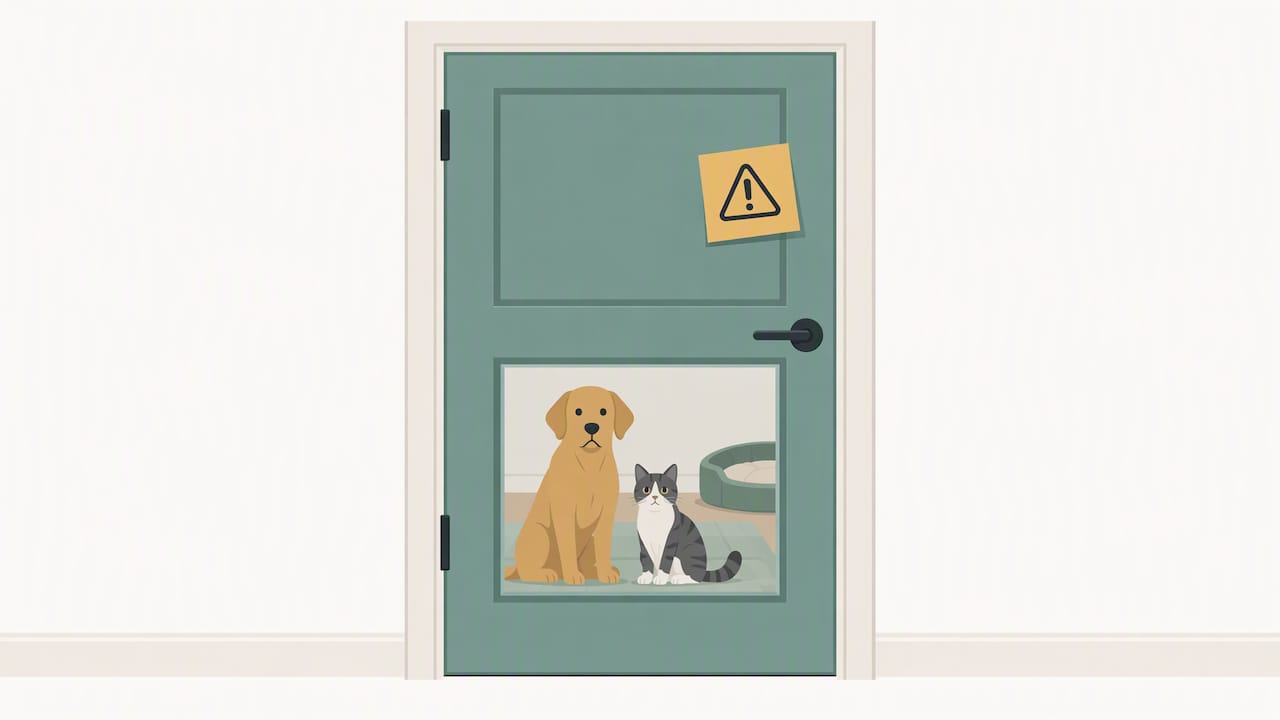
- Crate your dog or cat in a closed-off room with food, water, and a few toys for the duration of the visit.
- Ask your provider whether the crew can skip or delay pet-heavy rooms, or whether a different scheduling window works better for a nervous animal.
- Keep kids out of any room with wet carpet until it’s dry, and set a clear rule about which doors stay closed.
- Tell the crew up front about any pet stains or accidents so they can treat those spots specifically.
For a deeper walkthrough on products, safety data sheets, and scheduling around pets, our pet-safe carpet cleaning guide covers it in detail.
Pro Tip: Leave a sticky note on confined pets’ doors so the crew knows not to open them by mistake.
What to do about stains before the technician shows up
Resist the urge to scrub. Blot a fresh spill with a clean white cloth, pressing down to lift moisture instead of rubbing it deeper into the fibers. CRI guidance recommends pretesting any cleaner on a hidden patch of carpet before it touches a visible stain, and that same caution applies to whatever you keep under the sink.
Skip the heavy-duty solvents and homemade mixes. Combining products or applying something stronger than the label calls for can discolor or weaken carpet fibers, and it muddies the chemistry the technician is trying to work with. Instead:
- Note when each stain happened and whether you’ve already tried to treat it.
- Snap a quick photo of anything stubborn, especially if it’s changed color or texture over time.
- Mention lingering odors, since those often point to moisture trapped below the surface.
That handful of details lets the crew choose the right pretreatment the first time instead of guessing onsite.
Confirming logistics with your carpet cleaning provider
A few phone calls before appointment day head off almost every scheduling headache:
- Ask for a specific arrival window and whether someone needs to be home to let the crew in.
- Confirm where the truck or portable equipment will sit, and whether your driveway or street parking works for it.
- Find out whether the crew pre-vacuums as part of the service or expects you to handle it, and which furniture pieces they’ll move versus leave in place.
- Clarify how pricing works, whether it’s based on square footage or by room, and what payment methods they accept.
- Ask if there’s anything specific to your home, like a narrow hallway or a finicky driveway gate, that they should know about in advance.
Getting these answers ahead of time means no surprises when the truck pulls up, and no awkward renegotiation standing in your living room.
How long your carpet will take to dry and how to speed it up
Plan for your carpet to stay damp for 6 to 12 hours after a professional cleaning, longer in humid weather or rooms with poor airflow. A few steps on your end make a real difference:
- Run your HVAC fan or open windows if the weather allows, to keep air moving across the wet carpet.
- Set up a dehumidifier or a few box fans in rooms that dry slowly, especially basements.
- Hold off on walking across damp carpet in socks or bare feet, since both track moisture and pick up residue.
- Leave furniture protectors under table and chair legs until the carpet is fully dry, so nothing stains or dents the fibers.
- Watch your feet at transitions to tile or hardwood, since a damp edge there turns into a slip hazard fast.
An EPA study found that cleaning activities raised indoor concentrations in roughly 60% of measured VOCs and 80% of measured SVOCs, with some compounds lingering more than five hours afterward. Cracking a window or two while the carpet dries isn’t just about moisture; it clears the air faster too. If your carpet is still soaked past the 12 hour mark, call your provider back rather than waiting it out.
How professional crews prepare for a carpet cleaning visit
Professional carpet cleaning crews typically follow a routine built around the same fundamentals we’ve covered here: vacuuming done, a clear path to work in, and pets squared away before the hoses come out. On our end, here’s what typically happens once we’re inside:
- A walk-through inspection to flag stains, high-traffic lanes, and anything that needs special attention.
- Pretreatment on soiled areas, followed by hot water extraction to lift dirt and allergens without leaving residue behind.
- Furniture protection, fiber grooming, and setup of air movers to kick off drying before we leave.
For homes on a routine schedule, our Simple Club membership keeps cleanings consistent without you having to remember to book, and our carpet cleaning frequency guide breaks down how often that should happen based on your household.
A quick note from the crew
We’ve prepped hundreds of living rooms for cleaning day, and the checklist above is exactly what separates a smooth appointment from a chaotic one. Vacuum, clear the floor, crate the dog, and you’ve done ninety percent of the job before we even walk in. Book through our carpet cleaning page when you’re ready, and we’ll handle the rest.
— chris
FAQ
What can I pretreat my carpet with before shampooing?
Stick to blotting fresh spills with a white cloth and water rather than applying store-bought pretreatment chemicals on your own. CRI guidance recommends testing any product on a hidden patch first, since the wrong solvent can discolor fibers before a professional ever arrives.
What are the common mistakes in carpet cleaning?
The most common mistakes are skipping the pre-vacuum, scrubbing stains instead of blotting them, and mixing cleaning chemicals without checking the label. Rushing the drying process by closing up the house afterward also traps moisture and slows everything down.
How many times should I go over my carpet with a carpet cleaner?
Professional equipment typically needs multiple dry passes after extraction to pull residual moisture out of the carpet, which is standard practice rather than a sign something went wrong. CRI-205 guidance builds these extra passes into the normal cleaning process.
Should I vacuum before professional carpet cleaning?
Yes, vacuuming thoroughly before your appointment is one of the most useful things you can do. CRI guidance notes it clears loose dry soil so professional equipment can focus on embedded dirt, and a good vacuum pass can reduce resuspended particulate mass by about 44%.
Sources
- Cleaning and Maintenance – The Carpet and Rug Institute
- Influence of Cleaning on Indoor Air Concentrations of Volatile and Semivolatile Organic Compounds in Residences
Authoritative standards and studies to read next
For the technical backbone behind this checklist, the Carpet and Rug Institute’s cleaning and maintenance guidance and its CRI-205 residential standard cover vacuuming, drying, and what to expect from a certified provider. The EPA’s study on indoor air concentrations after cleaning explains why ventilation matters once the extraction equipment leaves. If you’re coordinating multiple contractors around the same prep window, Wendell Barco Plastering’s home-prep guide offers useful overlap on protecting surfaces during work.