

TL;DR:
- Most homeowners pay between $150 and $600 for professional tile and grout cleaning, depending on area size, material, and condition. Regular maintenance every 12 to 18 months helps prevent costly repairs like regrouting or replacement, making professional cleaning a worthwhile investment. Homeservicesimple offers Wichita homeowners a satisfaction guarantee and subscription plans for consistent, affordable care.
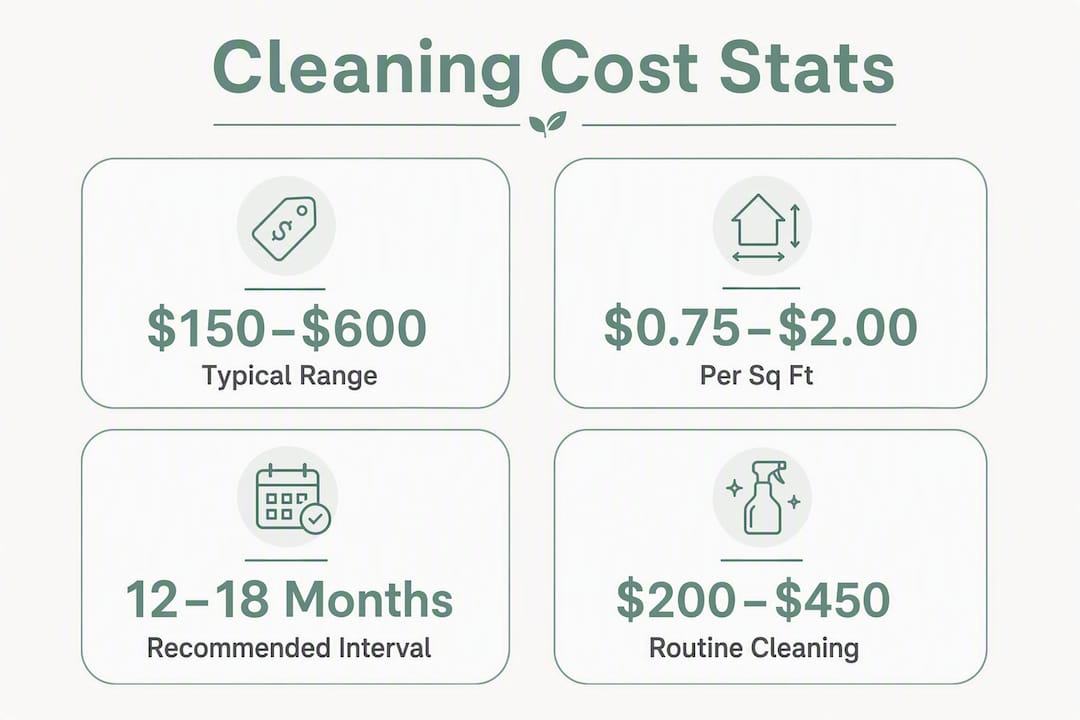
Most homeowners pay a moderate amount for a professional tile and grout cleaning job. A typical mid-size kitchen or bathroom floor costs a moderate sum, and the national per-square-foot rate lands somewhere between $0.40 and $3.00, with most standard jobs falling in the $0.75–$2.00 range.
Here’s the quick version before we dig in:
- Typical total range: $150–$600 for most residential jobs
- Per square foot: $0.75–$2.00 for standard ceramic or porcelain
- Per room example: A 120-sq-ft bathroom usually runs $90–$240 before sealing
- Minimum fees: Most companies charge $100–$200 just to show up, which matters a lot on small jobs
- Sealing is almost always extra — budget an additional $0.50–$1.50 per sq ft if you want it done
Budget line: For a 200–400 sq ft floor in average condition, plan on $200–$450 all-in. Add $100–$300 if sealing is included.
The biggest swings in price come from grout condition, tile material, and whether you need sealing or restorative work. A bathroom that hasn’t been professionally cleaned in five years will cost more than one that gets done every 18 months. Keep that in mind as you read through the numbers below.
Table of Contents
- How do professionals price tile and grout cleaning?
- How does cleaning method affect what you pay?
- What makes one quote higher than another?
- What does a professional tile cleaning job actually include?
- How often should you schedule professional cleaning?
- How do you get quotes that are actually comparable?
- Sample pricing scenarios for common jobs
- Why professional cleaning is worth it, and how Homeservicesimple handles tile and grout
- Key Takeaways
- Why the “just mop it” approach costs you more in the long run
- Homeservicesimple tile and grout cleaning in Wichita
- FAQ
How do professionals price tile and grout cleaning?
There are four main pricing models you’ll see on quotes. Knowing which one a company uses tells you a lot about whether their number is fair.
| Pricing Model | Typical U.S. Range | When It’s Used |
|---|---|---|
| Per square foot | A broad range depending on job size and complexity | Most common; scales with job size |
| Per room | Variable flat rates common with smaller companies | Smaller companies, flat-rate simplicity |
| Hourly | Typical hourly charges for unusual jobs or restorations | Unusual jobs, restoration work |
| Minimum project fee | Flat fees to cover small jobs | Applied when sq ft total falls below threshold |
Per square foot is the most common model. Baseline jobs on clean ceramic tile in good condition can come in on the lower end of typical pricing scales, while more difficult conditions and materials push the cost higher.
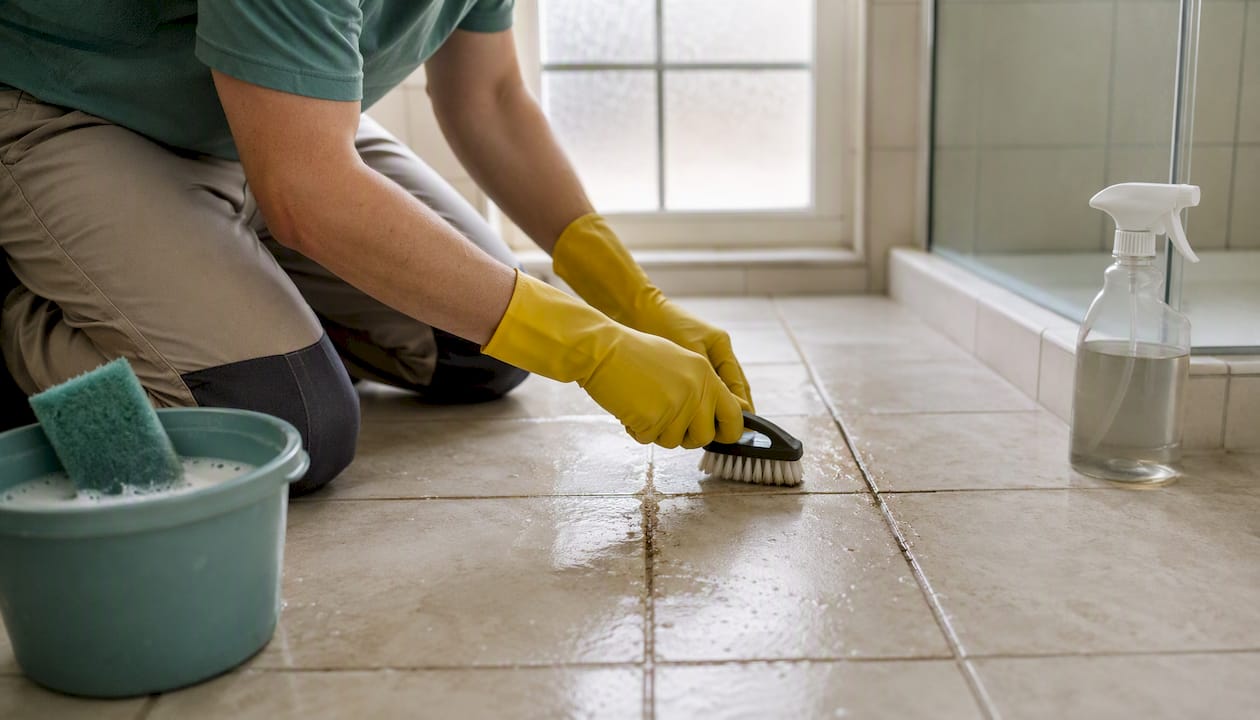
Per room pricing is straightforward and easy to compare. Kitchens and master baths usually cost more than hallways or laundry rooms because of grease buildup, tighter spaces, and more complex grout patterns.
Hourly rates show up most often on restoration work or unusual layouts where a company can’t estimate sq ft reliably. If a company quotes hourly for a standard bathroom floor, ask why.
Minimum fees can make small jobs more expensive on a per-square-foot basis because there is a base charge companies require to cover mobilization and equipment costs. Always ask about the minimum fee to understand total pricing.
How does cleaning method affect what you pay?
The method a company uses changes both the result and the price. Here’s what each one actually involves:
- Steam/hot water extraction: High-pressure hot water is injected into grout lines, then vacuumed out along with loosened soil. This is the gold standard for deep cleaning and the most common professional method. Typically mid-range in cost.
- Rotary scrubbing with extraction: A rotating brush head agitates grout mechanically, followed by wet extraction. More effective on heavily soiled grout than steam alone. Slightly higher cost due to equipment and time.
- Low-pressure chemical extraction: A cleaning solution dwells on the surface, then gets extracted without high-pressure injection. Gentler on delicate tiles. Often used on older installations or cracked grout.
- Spot/hand cleaning: Manual scrubbing of isolated stained areas. Cheapest per visit, but not a substitute for a full clean. Usually added as a line item, not a standalone service.
Natural stone tiles — marble, travertine, slate — require pH-neutral cleaners and gentler pressure, which typically raises cost by about 15–25% over standard ceramic or porcelain work. If you have stone floors, mention it upfront. A company that doesn’t ask about your tile type before quoting is a yellow flag.
Antimicrobial treatments, mold remediation, and heavy degreasing for kitchen floors all add cost on top of the base method. These aren’t upsells to avoid — they’re legitimate add-ons when the job actually needs them.
What makes one quote higher than another?
Grout condition is the single biggest driver of your final price. Heavily stained or neglected grout that needs long chemical dwell times or antimicrobial treatment adds real labor and product cost. A bathroom that looks like it hasn’t been touched in three years will cost more than one cleaned last spring.
Other factors that push quotes up or down:
- Tile material: Natural stone costs more than ceramic or porcelain (see above). Large-format tiles with narrow grout lines are faster to clean than small mosaic tiles with dense grout networks.
- Grout width and color: Wide grout joints hold more soil. Light-colored grout shows staining more and often needs more product to restore.
- Room access: Tight spaces, lots of furniture to move, or multi-level homes with stair access all add time.
- Travel and region: Wichita grout cleaning prices will differ from San Francisco rates. Regional labor costs matter.
- Pre-treatment requirements: Oil-based kitchen grease, pet urine, or mold all need specialty chemistry before the main clean.
Hidden fee drivers to watch for: grout sealing (almost always separate), regrouting damaged lines, grout dyeing or color sealing, and moving heavy appliances.
Pro Tip: If you see blackened grout lines, soft or crumbling grout, or a white powdery residue called efflorescence, expect a higher quote. Those are signs of deep contamination or moisture intrusion, and they take more time and chemistry to address properly.
What does a professional tile cleaning job actually include?
A standard professional service covers more than just scrubbing. Here’s the typical sequence:
- Pre-inspection: The tech assesses tile type, grout condition, and staining before starting
- Pre-treatment: A cleaning solution is applied and allowed to dwell on grout lines
- Agitation/scrubbing: Rotary or manual scrubbing loosens embedded soil
- Hot water extraction: High-pressure rinse pulls soil and solution out of grout pores
- Spot treatment: Stubborn stains get individual attention
- Post-inspection and drying: The tech walks through the finished area; surfaces dry within 1–2 hours under normal conditions
For timeline: most professional services complete an average kitchen or bathroom clean in a few hours, with larger or heavily soiled areas requiring additional time.
What’s usually extra:
- Grout sealing (separate visit or same-day add-on)
- Regrouting cracked or missing lines
- Grout dyeing or color restoration
- Moving heavy furniture or appliances
Sealing should wait about 24 hours after the deep rinse to allow proper adhesion. A company that wants to seal immediately after cleaning may be rushing the job.
How often should you schedule professional cleaning?
Deep tile and grout cleaning is recommended periodically, with higher traffic or wet areas requiring more frequent service.
The reason frequency matters for your budget: routine cleaning costs far less than restorative work. A $250 annual clean beats a $600 restoration job every time.
Signs that you’ve moved past routine cleaning into restorative territory:
- Grout lines that stay dark even after mopping
- Soft, crumbling, or cracked grout
- Visible mold or mildew that won’t scrub off
- Water seeping under tiles or lifting edges
- Persistent odors from wet areas
When those signs appear, the cost jumps. Restorative cleaning runs higher than a standard clean, and full regrouting can cost several times more. Professional cleaning is significantly more cost-effective than regrouting or replacement, which is why staying on a regular schedule protects your wallet long-term.
Grout is porous. Without sealing after a professional clean, it re-soils faster, shortening the interval before you need service again. Sealing meaningfully extends the time between professional cleans, making it worth the add-on cost.
How do you get quotes that are actually comparable?
Most homeowners call three companies and get three wildly different numbers. That’s usually because they described the job differently each time. Here’s how to fix that.
Tell every company the same things:
- Square footage of the area (measure it before you call)
- Tile type: ceramic, porcelain, natural stone, or mosaic
- Visible staining: light, moderate, or heavy
- Date of last professional cleaning (or “never” if applicable)
- Access issues: stairs, tight spaces, furniture that needs moving
Questions to ask every company:
- What cleaning method do you use?
- Does your quote include sealing, or is that separate?
- What’s your minimum project fee?
- Do you offer a satisfaction guarantee?
- What’s your cancellation or rescheduling policy?
- How long will the job take, and how long until I can walk on the floor?
Red flags in estimates:
- Per-sq-ft rates well below $0.40 with no explanation
- Vague scope (“we’ll clean your tile”) with no method listed
- Pressure to add sealing before they’ve even seen the grout condition
- No mention of a minimum fee
Pro Tip: Ask for a line-item estimate that separates labor, cleaning chemicals, sealing (if included), and any travel fee. A company that can’t break it down that way is harder to hold accountable if something goes wrong.
Before you call, do this:
- Measure your tile areas in square feet
- Photograph the worst grout staining
- Note your tile type (check the original install paperwork if you have it)
- Write down the last time it was professionally cleaned
Sample pricing scenarios for common jobs
These estimates use national ranges and stated assumptions. Your actual quote will vary by region, company, and grout condition.
| Scenario | Assumptions | Typical Total | What Upsells Add |
|---|---|---|---|
| Small powder room (40 sq ft) | Ceramic, light soil, minimum fee applies | $100–$150 | +$50–$70 for sealing |
| Average bathroom (120 sq ft) | Porcelain, moderate soil, standard extraction | $120–$240 | +$50–$70 for sealing |
| Kitchen floor (200 sq ft) | Ceramic, grease buildup, rotary scrub + extraction | $200–$400 | +$100–$200 for sealing + degreaser |
| Large open floor (500 sq ft) | Porcelain, moderate soil, hot water extraction | $200–$450 | +$250–$500 for sealing |
| Natural stone bathroom (150 sq ft) | Travertine, moderate soil, pH-neutral method | $200–$400 | +$50–$100 for stone-safe sealer |
A few things these numbers make clear:
- Minimum fees dominate small rooms. That 40-sq-ft powder room costs $100–$150 regardless of the per-sq-ft rate. Factor that in when deciding whether to bundle multiple small areas into one visit.
- Sealing adds 30–50% to the base cost but extends your cleaning interval. Over two or three years, it usually pays for itself.
- Kitchen floors cost more per sq ft than hallways because of grease and the need for specialty degreasers.
DIY attempts with rental equipment and store-bought cleaners can run $50–$200 and still deliver inferior results. For a 200-sq-ft floor, that’s not far off from a professional baseline quote, and the professional result lasts longer.
Why professional cleaning is worth it, and how Homeservicesimple handles tile and grout
Regular mopping doesn’t actually clean grout. It redistributes dirty water into porous grout lines, which is why grout darkens over time even in homes that get mopped weekly. Professional extraction systems pull that soil out instead of spreading it.
The practical benefits stack up fast:
- Deeper soil removal than any consumer product can achieve
- Mold and allergen reduction in wet areas
- Extended tile and grout lifespan
- Time savings (2–3 professional hours vs. 4–6 DIY hours with worse results)
- Long-term cost avoidance by preventing the need for regrouting or replacement
Neglected grout can lead to water penetration and subfloor damage. At that point, you’re not talking about a $300 cleaning bill. You’re talking about structural repairs.
The math is simple: a routine professional clean every 12–18 months costs a fraction of what regrouting or subfloor repair runs. Staying on schedule is the cheapest thing you can do for your tile.
Homeservicesimple offers professional tile and grout cleaning in Wichita, KS, backed by a satisfaction guarantee. Their Simple Club subscription is built for homeowners who want consistent care without the hassle of remembering to schedule. Book once, stay on a plan, and your grout never gets to the restorative-work stage.
Pro Tip: Ask about bundling tile and grout cleaning with carpet or upholstery cleaning on the same visit. Multi-service visits often reduce the effective per-service cost since mobilization is shared.
Key Takeaways
Most homeowners pay a moderate amount for professional tile and grout cleaning, with typical rates per square foot depending on tile type and some companies applying minimum fees to smaller jobs.
| Point | Details |
|---|---|
| National cost range | Most residential jobs run $150–$600; typical mid-size rooms land at $200–$450. |
| Per-sq-ft rates | Standard ceramic or porcelain runs $0.75–$2.00/sq ft; natural stone costs 15–25% more. |
| Minimum fees matter | Companies charge $100–$200 minimums, which inflates effective cost on small rooms. |
| Sealing is extra | Budget an additional $0.50–$1.50/sq ft for sealing; it extends your cleaning interval. |
| Homeservicesimple option | Homeservicesimple serves Wichita homeowners with a satisfaction guarantee and Simple Club subscription for regular maintenance. |
Next steps before you call for quotes:
- Measure your tile areas in square feet
- Photograph the worst grout staining
- Note your tile type and last professional clean date
- Ask every company for a line-item estimate that separates labor, chemicals, sealing, and travel
- Remember: minimum fees apply, and sealing is almost never included in the base price
Why the “just mop it” approach costs you more in the long run
Here’s something most cost guides skip: the real expense of tile and grout isn’t the cleaning bill. It’s what happens when you delay.
Grout is porous. Every time you mop without professional extraction, you’re pushing soil deeper into those pores. The surface looks cleaner for a day. The grout gets darker over months. By year three or four without a professional clean, you’re not looking at a $250 routine job anymore. You’re looking at restorative work, possible regrouting, or in wet areas, subfloor damage that no cleaning service can fix.
The homeowners who feel like professional cleaning is expensive are usually the ones comparing it to a mop and bucket. The right comparison is professional cleaning versus regrouting or tile replacement. That math looks very different.
Staying on a 12–18 month schedule, sealing after each clean, and catching problems early is genuinely the cheapest path. A subscription plan like Homeservicesimple’s Simple Club exists precisely because consistent maintenance is easier to commit to when it’s already on the calendar.
Homeservicesimple tile and grout cleaning in Wichita
Clean grout doesn’t have to mean a big bill or a complicated process. Homeservicesimple brings professional-grade tile and grout cleaning to Wichita homeowners with a straightforward satisfaction guarantee: if you’re not happy, they make it right.
The Simple Club subscription takes the scheduling burden off your plate entirely. Instead of remembering to book every 12–18 months, you’re already on the calendar. That consistent care is what keeps routine cleaning costs low and restorative work off the table. Homeservicesimple also handles carpet, upholstery, air duct, and mattress cleaning, so you can bundle services on a single visit and get more done for less mobilization cost.
Ready to see what your floors could look like? Request a free estimate from Homeservicesimple today, or ask about Simple Club when you call.
FAQ
Is professional tile and grout cleaning worth it?
Yes. Professional extraction removes contaminants that mopping cannot reach and prevents premature grout deterioration, making it far cheaper than regrouting or tile replacement down the road.
How often should tile and grout be professionally cleaned?
Every 12–18 months for average homes; every 6–12 months for high-traffic areas, homes with pets, or wet rooms like bathrooms and mudrooms.
How much does professional grout cleaning typically cost?
Most residential jobs run $150–$600, with per-square-foot rates of $0.75–$2.00 for standard ceramic or porcelain. Minimum project fees of $100–$200 apply to small areas.
How much does Stanley Steemer charge to clean grout?
Stanley Steemer’s grout cleaning pricing is not publicly listed as a flat rate and varies by location, square footage, and grout condition. For Wichita homeowners, Homeservicesimple offers free estimates with transparent line-item pricing.
What’s the difference between routine cleaning and restorative cleaning costs?
Routine cleaning on well-maintained grout typically runs $200–$450 for most rooms. Restorative cleaning on heavily stained or neglected grout costs significantly more, and full regrouting runs several times higher than a standard professional clean.